
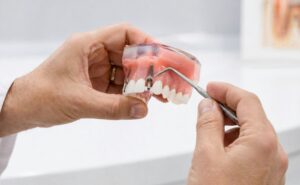
Dental implants are surgically placed artificial tooth roots that are inserted into the jawbone. They can support crowns, bridges, or dentures, making them an effective solution for replacing a single tooth, multiple teeth, or even an entire dental arch. At Steel Oral Surgery, our team provides comprehensive dental implant treatment designed to deliver long-term benefits. Here’s more information on the insurance and financing options for dental implants:
Dental Financing Factors
Financing options for dental implants vary due to a patient’s treatment plan. The total cost depends on factors such as the number of teeth being replaced and the type of restoration needed; a single dental implant with a crown typically involves a different investment than a full-arch restoration supported by multiple implants, such as the All-on-4 procedure. The type of restoration required, like a crown, bridge, or implant denture, also affects the outcome. The material used to manufacture the implant itself, which involves titanium or zirconia, also plays a role in overall cost.
Preliminary procedures add to the total if your jawbone or gum tissue needs preparation. Bone grafting, sinus lifts, and ridge expansion are each separate procedures that affect financing. At some dental clinics, the initial implant consultation includes a review of treatment options and diagnostic imaging, such as panoramic X-rays, which helps patients understand their needs and receive a cost estimate before making a decision about care. Because dental implants are designed to provide a long-term tooth replacement solution when properly maintained, they help reduce the need for certain future expenses associated with removable prosthetics, adhesives, and dental treatments related to missing teeth.
Dental Insurance Coverage
Dental insurance plans vary widely, but many still classify implants as elective. Because of this classification, the implant post itself is often excluded from coverage. Most plans that exclude the implant surgery will still cover components of care; this includes the crown or other restoration placed on top of the implant. Preliminary procedures, such as bone grafting to build up sufficient jawbone density, may also be eligible for partial coverage. When you review your plan or speak with your insurance company, ask specifically about coverage for the restoration, bone grafting, extractions, and any diagnostic imaging rather than asking only about the implant itself.
Medical plans can cover the implant placement when tooth loss is connected to an accident, injury, or a documented medical condition. If your dental plan excludes implant surgery but you carry medical insurance, then it’s worth submitting a claim or requesting a pre-authorization review. Choosing an in-network practice with major medical insurers helps streamline the administrative process involved with insurance claims.
Patients enrolled in BlueCross BlueShield have benefits that include coverage for preventive services like cleanings and check-ups. It also includes minor restorative treatments and 50% coverage for major restorative services, including root canals. At Steele Oral Surgery, our team works with several insurance companies, including United Healthcare, Aetna, and more.
Learn More About Dental Implants
To understand your coverage, it’s key to review your treatment plan and contact your insurer. Some plans provide specific procedure codes; compare that information against a detailed treatment estimate from your dental provider. At Steele Dental Surgery, our team helps patients navigate insurance plans to identify which components of implant treatment are covered. Call our team today or request a consultation online to get started.