Steele Dental Blog

Understanding the Benefits of Sedation Dentistry

May 1, 2026

Sedation dentistry relies on medication to help patients relax during dental procedures. Some sedations options keep you awake, and others put you in a sleep-like state. At Steele Oral Surgery, we use sedation to improve safety during operations and reduce patient discomfort. Here are some of the benefits of sedation dentistry:

Increases Patient Comfort

Sedation techniques provide deep relaxation with a calm sensation and minimal discomfort. This helps make procedures pain-free, which is beneficial for patients with sensitive teeth or undergoing complex dental work. IV sedation, whether conscious or deep, is often chosen for these reasons. The medication is delivered directly into the bloodstream through an IV, so you will begin to feel relaxed within a few minutes. Patients scheduled for wisdom teeth removal or dental implants will likely undergo IV sedation. 

Some patients experience dental phobia, so sedation helps them feel at ease during a procedure. Nitrous oxide, or laughing gas, quickly induces a relaxed but conscious state. This limits common anxiety responses, such as elevated blood pressure and muscle tension. Oral surgeons can then complete a procedure with minimal interruption, but they are able to ask patients questions as needed. Because nitrous oxide does not produce a numbing effect, it is typically used for minor procedures like fillings and crowns.

Improves Efficiency

With sedation dentistry, patients remain relaxed and still throughout a procedure. This allows oral surgeons to perform treatments more efficiently, shortening appointment times. Oral conscious sedation provides deeper relaxation than nitrous oxide, and it is administered through a pill. This method is suitable for patients who are likely to fidget due to medical or physical conditions such as Parkinson’s or Cerebral Palsy. 

Sedation helps minimize involuntary movements, such as the gag reflex or tongue movement, which may interrupt or slow down your procedure. It also helps the body respond to local anesthesia. By reducing anxiety related to dental phobia, anesthesia can enter the body more efficiently, and it lowers the pain threshold, reducing the amount of anesthesia required.

When multiple procedures are required, sedation allows oral surgeons to complete a patient’s full treatment plan in a single visit. General anesthesia puts you in a sleep-like state, so the brain does not respond to pain or reflexes. This method is often preferred for bone grafting, jaw reconstruction, and full-mouth dental implants.

Addresses Patient Needs

Oral surgeons typically offer multiple sedation options to meet various patient needs. They will recommend methods that align with a patient’s:

  • Severity of dental phobia
  • Procedure type and length
  • Special needs, such as autism
  • Preferred sedation method, whether via IV, pill, or gas

With IV sedation, laughing gas, or general anesthesia, dentists can adjust dosage before and during a procedure. This verifies that you remain comfortable and relaxed throughout, and it avoids overdosing. By customizing sedation to each patient, dentists help minimize side effects, such as headache and nausea.

Learn More About Sedation Dentistry

Dental sedation often causes anterograde amnesia; this means you won’t remember what occurred while under sedation. For many, this can further reduce dental anxiety, as comfortable and pain-free treatment is key to the dental visit. Specialists at Steele Oral Surgery will review your medical history and concerns to recommend a sedation option that’s right for you. Contact us today to learn more.

The post Understanding the Benefits of Sedation Dentistry appeared first on Steele Dental Blog.

The (Not So) Alarming Truth About Dental Implants and Metal Detectors

April 16, 2026

A woman walking through a metal detector at the airport

If you’re travelling this summer, heading to a concert, or dropping by your local courthouse for the dreaded jury duty, you may be wondering what will happen when you step through the metal detector with your new dental implants. Here’s why some alloys may set off alarms at some point, and others won’t, as well as what you should do if it happens.

What are Dental Implants?

Dental implants are the world’s only permanent tooth replacement option. Comprised of an implant post, abutment, and prosthetic, these restorations are surgically inserted into the jawbone. With time, the bone will heal around the implant, which serves as a tooth root, allowing the patient to use it to enjoy a full diet. Because dental implants are permanent, they never need to be removed for cleaning or soaking, and with proper care and use should never need to be replaced, either!

What are Dental Implants Made Of?

Dental implants are available in several different materials depending on the needs and preferences of the patient. In most cases, titanium is used because it is strong, long lasting, and will successfully fuse with the jawbone via the process of osseointegration. They are also available in zirconia, which is a durable porcelain that contains no metal. Patients may prefer this option if they have allergies or sensitivities that rule out titanium, or if they would like a more natural looking option, as these prosthetics are naturally white.

Will My Dental Implants Set Off Metal Detectors?

Metal detectors work by creating an electromagnetic field which is emitted in pulses. Every pulse creates a return echo, which the detector then recognizes as nothing to worry about. However, if a metal object disrupts that echo system, it creates its own magnetic field, and this interruption sets off an alarm.

If you have zirconia implants, they will not set off a metal detector. However, there is always a slight chance titanium might. The good news is that because most of these machines are looking for much larger volumes of metal, your implants should not be enough to trigger them.

What to Do if Your Dental Implants Set Off Alarms

Although it’s very unlikely your dental implants will set off metal detectors, if they do, rest assured that most security teams have processes in place to handle these situations without incident. You may also want to notify the guard before you step through the machine so they’re aware that you might set off the alarm, but again, the chances of this happening are very low. The important thing to remember is if it does occur, stay calm, explain the situation, and be patient with the agent or officer assisting you and you should be back on your way in no time!

About Dr. Steele

Dr. Darrell Steele earned his dental degree at Baylor College of Dentistry. He is proudly the first oral surgeon in the DFW area to have used the Yomi Dental Implant Robot for his dental implant procedures, allowing for a safer, more comfortable, and more predictable procedure. To schedule a consultation for dental implants, visit our website or call us today at 972-315-3355.

The post The (Not So) Alarming Truth About Dental Implants and Metal Detectors appeared first on Steele Dental Blog.
Can Dental Implants Be More Affordable in the Long Run?

March 17, 2026

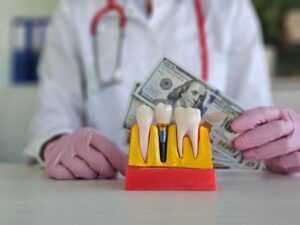
model of a dental implant with the dentist holding money

You can spot a good deal when you see one, but you’re not short-sighted. You think about long-term investments, quality, and saving as much as you can. What may look initially like a cost-saving option may result in paying more over time. When it comes to tooth replacements, this knowledge will help you select the right choice for your smile. Should you go with “more affordable” dentures or bridges or opt for the pricier implants? Can dental implants actually save you money? Here are some thoughts to consider.

(more…)

Can Dental Implants Be More Affordable in the Long Run?

March 17, 2026

model of a dental implant with the dentist holding money

You can spot a good deal when you see one, but you’re not short-sighted. You think about long-term investments, quality, and saving as much as you can. What may look initially like a cost-saving option may result in paying more over time. When it comes to tooth replacements, this knowledge will help you select the right choice for your smile. Should you go with “more affordable” dentures or bridges or opt for the pricier implants? Can dental implants actually save you money? Here are some thoughts to consider.

What Is the Initial Cost of Tooth Replacement?

No two cases will have exactly the same price because the circumstances surrounding tooth replacement are so personal. However, generally speaking, dentures and bridges come at a significantly lower upfront cost than dental implants. Looking only at this initial price tag, you can clearly see dental implants can be more expensive; however, consider what you’re paying for.

Although you can theoretically eat, talk, and smile with dentures at first, they will eventually become loose and not fit properly, leading to slippage, discomfort, and ineffective chewing. Dental implants secure your bite to about 70 percent of its original strength the whole time. They may cost more, but you get more value and quality from dental implants!

How Often Do Prosthetic Teeth Need to Be Replaced?

Dentures and bridges are far less complicated and time intensive than implants. While dental implants can take up to a full year to complete, the other options typically require about a few months at most. However, after this first stage, dental implants have much more longevity.

Dentures must be relined and adjusted every couple of years and replaced entirely usually every 5 years. Dental bridges tend to last a little longer: about 7 to 10 years. Contrast that of the lifespan of robot-assisted dental implants. Even after 20 years, you can have functional, stable, and strong prosthetic teeth!

How Can Dental Implants Save You Money?

Over the years, when you don’t have dental implants, you end up repeatedly spending money to replace and adjust your teeth. These costs add up! On the other hand, you get the whole price for dental implants upfront, which may sound intimidating and overwhelming. However, keep in mind that most dental implant providers allow you to finance expenses for dental implants, meaning you can pay for your teeth replacement over time. As a result, you can afford and may pay less total money in the long run with dental implants!

If you have a longer perspective on the cost of your replacement teeth, you may find that dental implants offer the best deal. When you experience what you’re paying for, the initial cost becomes well worthwhile for a lifetime of strong smiles ahead!

About the Author

As a dual degree oral surgeon, Dr. J. Darrell Steele has both the dental and surgical expertise to handle even the most complicated dental implant cases. Embracing cutting-edge technology, he is the first oral surgeon in the DFW area to take advantage of the YOMI dental implant robot, which makes the procedure much more successful and safe. In addition to working with dental insurance, Steele Oral Surgery offers a free consultation and accepts financing to pay for implants. If you would like to work with Dr. Steele, schedule an appointment at his practice or call 972-315-3355.

The post Can Dental Implants Be More Affordable in the Long Run? appeared first on Steele Dental Blog.

Smooth Moves: What to Ask Your Oral Surgeon Before Getting Dermal Fillers

February 13, 2026

Patient touching face in mirror after getting dermal fillers

More and more dental offices and oral surgeons are offering dermal fillers as part of their cosmetic services. And despite how strange this may seem, it actually makes a lot of sense. These dental experts spend years studying facial anatomy and have steady hands from years of precise work. But before you book your appointment, it’s worth slowing down and asking a few important questions. Here’s what to ask before you commit.

(more…)

Smooth Moves: What to Ask Your Oral Surgeon Before Getting Dermal Fillers

February 13, 2026

Patient touching face in mirror after getting dermal fillers

More and more dental offices and oral surgeons are offering dermal fillers as part of their cosmetic services. And despite how strange this may seem, it actually makes a lot of sense. These dental experts spend years studying facial anatomy and have steady hands from years of precise work. But before you book your appointment, it’s worth slowing down and asking a few important questions. Here’s what to ask before you commit.

Are You Trained and Certified in Facial Aesthetics?

Dental school covers a lot of topics, but it focuses mainly on teeth and gums. To fill in the gaps, many dental experts pursue additional training and certification in other areas—facial aesthetics being one of them.

Ask your oral surgeon about their specific training, how long they’ve been offering fillers, and how many procedures they’ve performed. Experience matters here just as much as credentials.

What Products Do You Use?

Not all fillers are created equal. FDA-approved options like Juvéderm and Voluma have well-established safety records, and a reputable provider will be transparent about what they use and why. If they can’t name the product or seem vague about it, that’s a red flag worthy of pausing your treatment.

Can I See Before-and-After Photos?

Anyone you should trust with your face should be able to show their work. So, be sure to ask your provider if they have a portfolio of real patient results. Reviewing photos helps you set realistic expectations and get a feel for your oral surgeon’s aesthetic sensibility. And don’t be shy about asking! It’s a completely normal and reasonable request.

What Are the Risks, and How Do You Handle Complications?

Every cosmetic procedure carries some risk, even if it’s small or rare. A trustworthy provider will walk you through potential side effects, what to watch for afterward, and exactly what to do if something doesn’t look or feel right. If they seem evasive about your questions over this part, it’s well within your rights to go elsewhere.

What Does Recovery Look Like?

Fillers are minimally invasive, but there’s still some downtime to plan around. Swelling, bruising, and tenderness are common in the first few days. Knowing what to expect helps you plan your schedule and avoid any surprises.

Finding the right provider for your dermal filler treatment is incredibly important. As you can see, transparency is key. Someone who welcomes your questions, explains their qualifications, and takes time to explain their methods is the right one to trust with your face and your confidence.

About the Author

Dr. Darrell Steele earned his dental degree from Baylor College of Dentistry before completing his oral and maxillofacial surgery residency. There, he focused on cosmetic facial surgery and implant procedures—specialties he continues to develop today. Dr. Steele brings decades of surgical experience and a commitment to patient comfort to every consultation, whether you need dental implants or cosmetic services. Call (972) 315-3355 to schedule a consultation for dermal fillers or visit our website to learn more.

The post Smooth Moves: What to Ask Your Oral Surgeon Before Getting Dermal Fillers appeared first on Steele Dental Blog.

4 New Year’s Resolutions for a Healthier Smile

January 3, 2026

Woman sitting on couch smiling.

The start of a new year is the perfect time to set goals that improve your overall health and well-being. While many people focus on fitness or diet, oral health is just as important. A healthy smile not only boosts confidence but also plays a key role in your overall health. If you are looking to improve your dental habits this year, here are 4 New Year’s resolutions that can help you achieve a healthier smile.

(more…)

4 New Year’s Resolutions for a Healthier Smile

January 3, 2026

Woman sitting on couch smiling.

The start of a new year is the perfect time to set goals that improve your overall health and well-being. While many people focus on fitness or diet, oral health is just as important. A healthy smile not only boosts confidence but also plays a key role in your overall health. If you are looking to improve your dental habits this year, here are 4 New Year’s resolutions that can help you achieve a healthier smile.

1. Commit to Brushing and Flossing Consistently

Maintaining a strong daily oral hygiene routine is one of the best ways to protect your teeth and gums. Dentists recommend brushing at least twice a day with fluoride toothpaste and flossing once daily. Brushing removes plaque and bacteria from tooth surfaces, while flossing cleans between teeth and along the gumline where toothbrushes cannot reach.

If flossing has been difficult to maintain, consider trying floss picks, interdental brushes, or water flossers to make the process easier. Setting reminders or pairing flossing with another daily habit can help you stay consistent. Improving your daily routine can significantly reduce your risk of cavities and gum disease.

2. Schedule and Keep Regular Dental Checkups

Routine dental visits are essential for maintaining long-term oral health. Professional cleanings remove plaque and tartar buildup that cannot be eliminated through brushing and flossing alone. Regular exams also allow your dentist to detect early signs of cavities, gum disease, oral cancer, and other dental issues before they become more serious.

Many people delay dental visits due to busy schedules or dental anxiety. Making dental appointments a priority and scheduling them in advance can help ensure you stay on track. Preventive care often saves time, money, and discomfort in the long run.

3. Cut Back on Sugary and Acidic Foods

Your diet plays a major role in your oral health. Sugary foods and beverages fuel harmful bacteria that produce acids, which can weaken enamel and lead to tooth decay. Acidic drinks like soda, sports drinks, and citrus juices can also erode enamel over time.

This year, consider reducing your intake of sugary snacks and beverages. Drinking more water helps rinse away food particles and bacteria while keeping your mouth hydrated. Choosing tooth-friendly foods such as crunchy vegetables, dairy products, and foods rich in calcium and phosphorus can help strengthen enamel and support healthy teeth.

4. Quit Harmful Habits That Damage Your Teeth

Certain habits can negatively impact your smile. Smoking or using tobacco products increases the risk of gum disease, tooth discoloration, and oral cancer. Other habits, such as chewing ice, biting fingernails, or using your teeth as tools, can cause cracks, chips, or excessive wear.

If you grind or clench your teeth, especially during sleep, talk to your dentist about a custom nightguard to protect your teeth. Breaking harmful habits can significantly improve both your oral health and the longevity of your teeth.

Setting achievable oral health goals can lead to lasting benefits for your smile and overall health. By improving your hygiene routine, staying consistent with dental visits, making healthier dietary choices, and eliminating damaging habits, you can enjoy a healthier, brighter smile throughout the year and beyond.

About the Author

Dr. J. Darrell Steele has practiced oral surgery for decades now. He earned his dental doctorate at the Baylor College of Dentistry, followed by an oral and maxillofacial surgery residency. Today, Dr. Steele is proud to own the first office in the Dallas-Fort Worth area that uses robotically guided dental implant surgery. If you’d like dental implants as part of your resolution for a healthy smile, we’ve got you covered. Book your appointment online or call (972) 315-3355.

The post 4 New Year’s Resolutions for a Healthier Smile appeared first on Steele Dental Blog.

4 Festive Drinks That Are Tough on Your Smile

December 9, 2025

Cup of hot cocoa on a table

A part of the holidays that you may be the most excited for is the food and drinks. You may have your own seasonal favorites that you want to indulge in, but certain beverages can be hard on your teeth. Enjoying them too often can increase your risk of stains or cavities. Here are four that you should keep in moderation to help ensure your smile stays healthy during this time of year.

(more…)

4 Festive Drinks That Are Tough on Your Smile

December 9, 2025

Cup of hot cocoa on a table

A part of the holidays that you may be the most excited for is the food and drinks. You may have your own seasonal favorites that you want to indulge in, but certain beverages can be hard on your teeth. Enjoying them too often can increase your risk of stains or cavities. Here are four that you should keep in moderation to help ensure your smile stays healthy during this time of year.

1.)  Holiday Punch

You may enjoy a holiday punch as they are often full of cherries, blueberries, and pomegranates. While these fruits are full of nutrients and vitamins, they are relatively dark-colored. The juice from them can lead to stains, which can make you self-conscious. Most recipes also have you add in lots of sugar or flavored soda, which can increase your risk of cavities.

2.)  Wine

This beverage is a common one to have at a gathering or with a meal, but you should try to limit it to a glass or two. Wine is acidic, which can erode your enamel the more you have it. This can make you more prone to decay, but it may also cause sensitivity to hot and cold items!

3.)  Eggnog

While eggnog is a traditional drink for many people, the sugar and dairy in it can cause trouble. They can feed the bacteria in your mouth, causing them to build up and lead to oral health issues. Not only that, but you may prepare it in your own way, adding in things like alcohol or whipped cream. While your preferences may help you relish it, this can make it even worse for your teeth!

4.)  Hot Chocolate

A nice hot cup of cocoa may be a classic you can’t say no to. It’s a great way to warm you up while getting you into the festive spirit. However, it has many of the same problems as the drinks above. You may develop stains the more you enjoy, as the dark particles find their way into your enamel. The sugar in it (plus in the marshmallows) can lead to decay by feeding the bacteria in your mouth.

In the end, avoiding all the beverages above may be nearly impossible. You shouldn’t quit enjoying them, but rather keep them in moderation. Rinse with water when you finish drinking them and brush your teeth before you head to bed. That way, you can help ensure your smile is strong for the holidays and beyond.

About the Practice

Dr. J. Darrell Steele earned his dental degree from the Baylor College of Dentistry and later completed an oral and maxillofacial surgery residency. He is now a proud oral surgeon who is dedicated to helping the Coppell community get the healthy smiles they love with restorative treatments like dental implants. If you want to replace missing teeth to help you enjoy the holidays more, schedule an appointment or call Dr. Steele’s office at (972) 315-3355.

The post 4 Festive Drinks That Are Tough on Your Smile appeared first on Steele Dental Blog.